
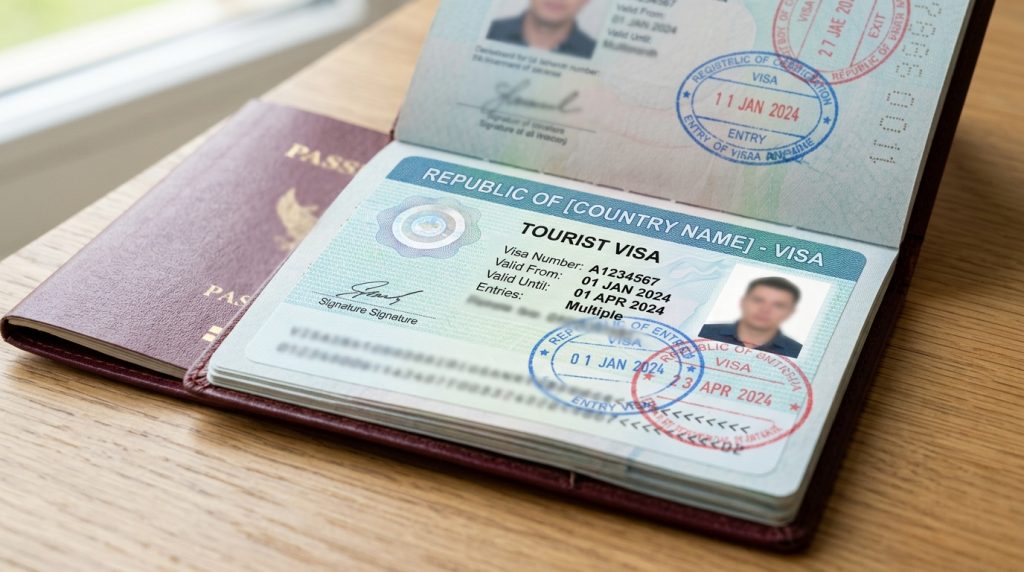
Travel plans are often meticulously scheduled months in advance, but life is unpredictable. Whether it is a sudden business opportunity, a family medical crisis, or an unexpected legal matter, there are times when waiting weeks for standard travel processing is simply not an option. Fortunately, both Canada and the United States have established protocols to handle urgent requests, ensuring that travelers can reach their destinations when time is of the essence.
Understanding Urgent Entry to Canada
Canada is a primary global destination for both humanitarian and professional reasons. For most travelers from visa-exempt countries, the Electronic Travel Authorization (eTA) is the standard entry document. Under normal circumstances, these are approved within minutes. However, if an application is flagged for manual review or if a traveler requires a traditional visa but faces an immediate deadline, the “urgent processing” stream becomes vital.
Applying for an EMERGENCY VISA TO VISIT CANADA requires clear documentation to justify the expedited request. This typically includes medical certificates, death certificates, or official letters from business entities explaining why the visit cannot be delayed. By providing transparent and verifiable evidence, applicants can often move to the front of the queue. It is important to remember that even in urgent cases, all standard security and eligibility criteria must still be met to ensure a professional and safe border crossing.
Expedited Travel to the United States
Similarly, the United States offers a digital gateway through the Electronic System for Travel Authorization (ESTA). While the system is highly automated, travelers who realize they have a departure in less than 72 hours—or those whose initial application was delayed—may find themselves in a stressful situation. The U.S. government recognizes that certain life events require a rapid response.
For those in a significant time crunch, seeking an EMERGENGY US ESTA is the most efficient path forward. While there is no “express fee” that guarantees instant approval, the system is designed to prioritize and process applications as quickly as the security architecture allows. Travelers should ensure that every detail on their application perfectly matches their passport to avoid automated flags that could cause further delays. Having a clear itinerary and proof of the emergency can be helpful if you need to contact Customs and Border Protection (CBP) for further assistance.
Key Highlights for Handling Travel Crises
When facing a travel emergency, staying organized is the best way to ensure success:
- Documentation: Gather all relevant PDF copies of medical or professional letters before starting your application.
- Accuracy: Double-check passport numbers and birth dates; a single typo in an emergency application can lead to a rejection.
- Communication: Keep your airline informed of your status, as many carriers can offer flexibility if they see a pending authorization.
Practical Tips for the Modern Explorer
To ensure a smooth transition during a high-stress period, always keep a digital backup of your submission confirmation on your smartphone. While these authorizations are electronically linked to your passport, having the reference number handy at the check-in counter is a professional safeguard. Additionally, ensure your passport has at least six months of validity remaining, as no emergency application can override a physically expired travel document. By acting quickly and maintaining a high level of detail, you can navigate the complexities of international travel even under the most demanding circumstances.
