
Navigating the international travel landscape requires a clear understanding of the digital authorizations needed to cross or even land in North American territories. For many global travelers, the United States and Canada serve as major hubs for connecting flights to Europe, Asia, and South America. However, simply staying within the airport confines does not exempt you from immigration requirements. Ensuring you have the correct documentation is the first step toward a stress-free journey.
Navigating Layovers: The Requirement for a USA Transit Visa
Many travelers are surprised to learn that the United States does not have a “sterile transit” zone. This means that even if you are just landing in New York or Los Angeles to catch a connecting flight to a third country, you must legally enter the U.S. and clear customs and border protection. For citizens of Visa Waiver Program (VWP) countries, this usually involves obtaining a specific type of authorization.
When planning your route, understanding the process for a USA TRANSIT VISA—or more commonly, the transit-specific ESTA—is essential. This authorization allows you to pass through the country legally. The application process is entirely digital and requires you to specify that your travel is “in transit” to another destination. Without this approved document, airlines will deny boarding at your point of origin, regardless of how short your layover might be.
Expanding Your Journey: The Online Canada Visa Application
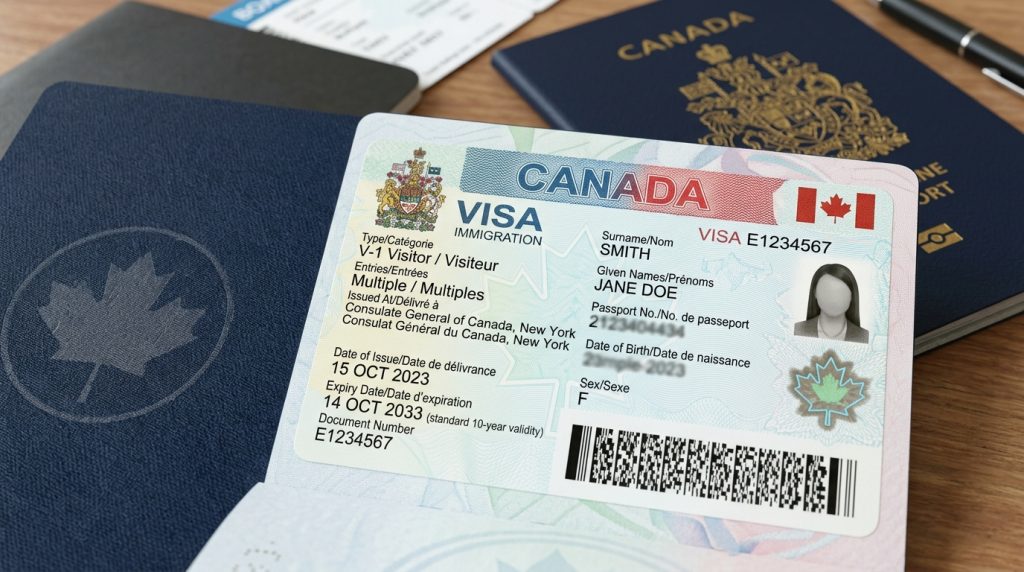
Similarly, Canada has modernized its entry requirements to facilitate smoother travel for tourists, business professionals, and those visiting family. Whether Canada is your final destination or a stop along the way, the shift toward digital processing has made the paperwork significantly more manageable. The ONLINE CANADA VISA APPLICATION system is designed to be user-friendly, allowing applicants to submit their details, upload necessary documents, and pay fees from the comfort of their homes.
For those eligible for an Electronic Travel Authorization (eTA), the process is often completed within minutes. However, for those requiring a standard visitor visa, the online portal provides a transparent way to track the status of the application. It is always recommended to start this process at least several weeks before your intended departure date to account for any requests for additional information or biometric appointments.
Essential Tips for a Smooth Trip
To avoid common pitfalls during the application process, keep these professional tips in mind:
- Accuracy is Paramount: Ensure that your passport number and name are entered exactly as they appear on your biometric passport. Even a small typo can lead to an automatic rejection.
- Check Validity Early: Most transit authorizations and visas are linked to a specific passport. If your passport expires, your authorization usually expires with it.
- Carry Digital Backups: While these systems are electronic, having a digital copy or a screenshot of your approval on your phone can be a lifesaver if there is a technical sync issue at the check-in counter.
Preparing for Departure
Modern international travel is built on efficiency, but it relies on the traveler being proactive. By securing your transit and entry authorizations well in advance, you eliminate the most common cause of travel delays. Whether you are catching a quick connection in a bustling American terminal or embarking on a cross-country Canadian adventure, being well-prepared allows you to focus on the journey rather than the paperwork.
