
India is a destination that captures the soul like no other place on Earth. It is a land where ancient history and modern innovation exist in a beautiful, chaotic harmony. From the mist-covered tea gardens of Darjeeling to the historic architecture of Delhi, the subcontinent offers an infinite variety of experiences. As we move through 2026, India has solidified its position as a global tourism leader, thanks in large part to its commitment to digital accessibility through the electronic visa system.
A Modern Gateway for Global Travelers
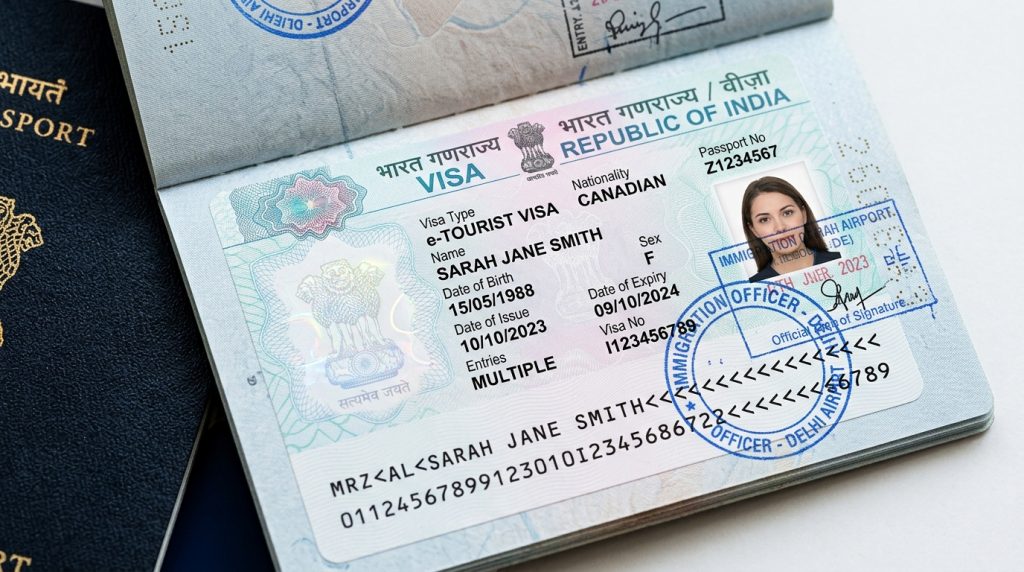
The shift from traditional paper-based visas to the electronic visa (e-Visa) has revolutionized international travel to India. This digital-first approach allows travelers to skip the stress of visiting a consulate or mailing physical documents. Today, an applicant can secure their travel authorization from the comfort of their home, receiving an official document via email that is electronically linked to their passport.
For travelers coming from South America, the path to the East has become significantly more efficient. The growing cultural and economic ties between the regions have led to a surge in tourism. For instance, obtaining an INDIAN VISA FOR CHILE CITIZENS is now a straightforward online procedure. This accessibility allows explorers from the Andes to experience the spiritual depth of the Ganges or the coastal beauty of Goa with unprecedented ease.
Planning a Memorable Family Expedition
India is an exceptional destination for families, offering educational and immersive experiences that children will remember for a lifetime. Whether it is a tiger safari in Ranthambore or exploring the majestic forts of Rajasthan, the country provides a vivid classroom for young minds. However, when traveling with the whole family, it is crucial to ensure that every member has the correct documentation.
Every traveler, regardless of age, must have their own individual entry permit. It is a common misconception that minors can be included on a parent’s authorization. Understanding the specific INDIAN VISA REQUIREMENTS FOR CHILDREN is essential for a smooth arrival. Generally, this includes providing a copy of the minor’s birth certificate and ensuring they have their own valid passport. By preparing these documents in advance, parents can ensure that their family holiday starts without any administrative delays at the border.
Best Practices for Your Arrival
To make the most of your Indian odyssey, planning is key. The most popular time to visit is during the cooler months, from October to March. During this period, the weather is mild across most of the country, making it ideal for sightseeing at monuments like the Taj Mahal.
While the e-Visa is verified digitally at the immigration desk, keeping a printed copy in your hand luggage is highly recommended. This physical copy is often requested during hotel check-ins or for domestic flight transit within India. With your paperwork in order and a spirit of adventure, you are ready to immerse yourself in the vibrant colors, diverse flavors, and timeless hospitality that define the Indian experience.
