
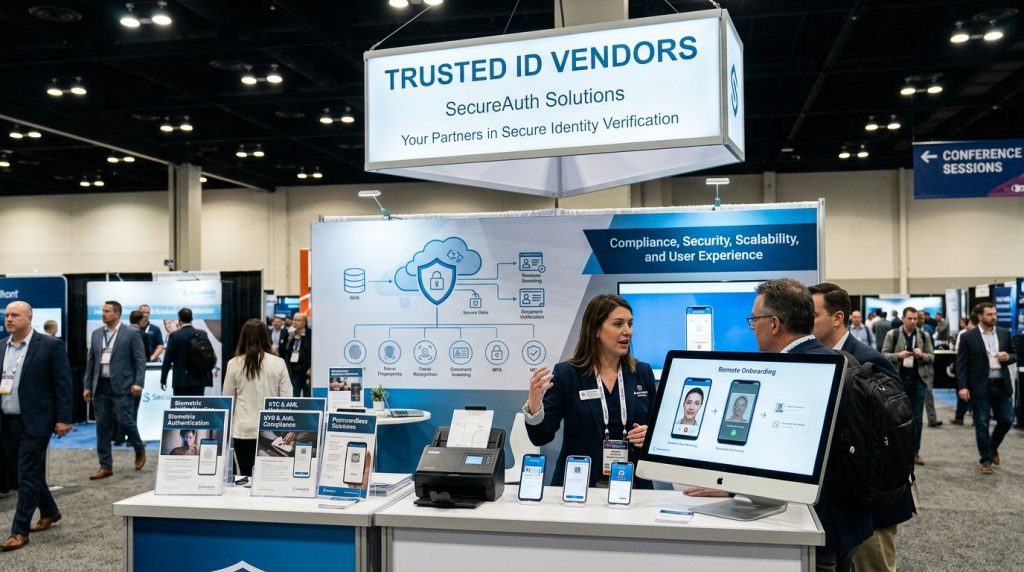
The quest for high-quality novelty documentation has evolved from a niche hobby into a highly technical industry. With security features on modern identification cards becoming more intricate by the year, the criteria for what constitutes a “good replica” has shifted. For enthusiasts, film producers, or those seeking novelty items, the priority is no longer just finding a source, but specifically vetting Trusted Fake ID Vendors who possess the technical infrastructure to match modern standards.
A professional-grade document is more than just a piece of plastic; it is a symphony of physics, chemistry, and digital encoding. To find a reliable provider, one must look past flashy marketing and evaluate the actual manufacturing processes.
The Anatomy of High-Fidelity Replication
When we discuss Trusted Fake ID Vendors, we are discussing craftsmen who invest in industrial-grade equipment. One of the most significant tells of a high-quality vendor is their transition to Polycarbonate (PC) substrates. Unlike standard PVC, polycarbonate allows for “laser engraving”—a process where the text is burnt into the inner layers of the card rather than printed on top. This creates a tactile feel that is impossible to replicate with standard inkjet or thermal printers.
Furthermore, the implementation of Optically Variable Ink (OVI) is a major hurdle for low-tier shops. Authentic OVI shifts color when the card is tilted, a feat that requires expensive specialized inks and precision screen-printing. A trusted vendor will ensure that the color shift (e.g., from gold to green) matches the specific spectrum used by the original issuing authority.
Digital Precision and Data Integrity
In the current landscape, the “scan” is just as important as the “look.” The PDF417 barcode on the back of a card contains a wealth of encoded data. Trusted Fake ID Vendors utilize sophisticated parsing software to ensure the encoded information perfectly mirrors the text on the front. This includes matching hidden delimiters and ensuring the “Check Digit” calculations are mathematically accurate. Without this attention to detail, even the most visually stunning card will fail the most basic electronic verification.
Leveraging the Power of Verified Lists
The most effective way to navigate this complex market is through community-verified data. Relying on “vouch” threads or unverified reviews is a gamble. Instead, smart users turn to centralized hubs like the Verified Vendor List to see which providers have consistently passed “blind tests.”
These community lists act as a quality control filter. They track vendor performance over time, including shipping reliability, stealth packaging, and how well the cards hold up under UV light and bending tests. A vendor who maintains a “Verified” status is one who has proven they aren’t just a “middleman,” but a direct producer with skin in the game.
Final Verdict
In an industry where the margins for error are non-existent, quality is the only currency that matters. By focusing on technical hallmarks like laser engraving, OVI accuracy, and community-backed verification, you can separate the professional artisans from the opportunistic scammers. When you prioritize Trusted Fake ID Vendors, you aren’t just buying a product; you are investing in the peace of mind that comes with elite-level craftsmanship.
